


A proposed $124 million Congress Centre in Lungi has become a flashpoint in Sierra Leone’s Parliament, drawing sharp divisions between government officials advocating for the project and opposition lawmakers warning of misplaced priorities and potential fiscal risks.
The project, which government officials describe as a transformative infrastructure investment, would include a modern conference centre, a presidential villa, and an adjoining hotel.
Its proponents argue that the facility has the potential to attract international conferences, boost tourism, and position Sierra Leone as a hub for regional diplomatic and business engagements.
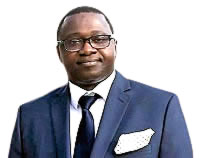
Presenting the agreement to Parliament for ratification, the Minister Finance, Mr. Sheku Ahmed Fantamadi Bangura outlined the government’s vision for the development. “This Congress Centre is more than a building; it is an opportunity to showcase Sierra Leone to the world, attract high-level meetings, and stimulate economic growth through business tourism,” Minister Bangura said.
He further emphasized that the inclusion of a presidential villa and a hotel would ensure the facility meets international standards, enabling the country to host global leaders and high-profile events.
However, the plan has drawn strong criticism from the opposition, who argue that the scale of the investment does not align with the immediate needs of ordinary Sierra Leoneans.
Opposition Chief Whip, Hon. Abdul Karim Kargbo, questioned the government’s decision to allocate such a large sum to a luxury facility, when pressing social and economic challenges remain unaddressed.
“This $124 million could be invested in practical areas that directly improve the lives of our people. Subsidizing university fees for students, repairing and expanding rural roads to support agriculture, and strengthening health services would yield tangible benefits for communities across the country. We cannot ignore these basic needs in favor of a facility that primarily serves the elite and international visitors, Hon. Kargbo stated.
Kargbo and other opposition MPs also expressed concerns about the country’s rising debt levels, warning that the project could exacerbate fiscal pressures. They called for a comprehensive assessment of the government’s borrowing strategy, stressing that any new debt must be weighed carefully against the country’s current economic challenges.
Supporters of the project argue that the Congress Centre represents a strategic investment rather than a mere luxury.
According to government sources, the facility is expected to generate revenue through hosting conferences, exhibitions, and international events, potentially creating jobs and stimulating local businesses. Proponents also suggest that the project could have long-term benefits for Sierra Leone’s image on the global stage, attracting foreign investors and boosting tourism revenues.
Despite these assurances, opposition MPs remain skeptical. They stress that large-scale infrastructure projects must be balanced with social priorities to ensure that the benefits reach the broader population. “While we acknowledge the potential economic gains, we must ask whether this is the right time for such a project. Our citizens face daily struggles lack of reliable transport, high education costs, and limited access to healthcare. These challenges should guide our fiscal decisions,” he said.
As the debate continues, the government maintains that the Congress Centre will act as a catalyst for broader economic development, while opposition voices insist that urgent social investments cannot be side-lined. Parliament is expected to deliberate further on the project in the coming weeks, with the decision likely to shape the government’s development priorities and fiscal strategy in the near term.
The Lungi Congress Centre debate reflects a broader tension in Sierra Leonean policymaking: the challenge of balancing high-profile investments designed to attract international attention with the immediate needs of citizens struggling with everyday economic realities. How this balance is struck may determine both the country’s economic trajectory and the political fortunes of its leaders

