


By SKS
As ECOWAS marks half a century of regional integration and progress, a key milestone shaping its future is the imminent review of the Single Regional Agricultural Policy (2026-2035). This comprehensive policy framework aims to unify member states’ agricultural strategies, promote sustainability, and accelerate economic growth, aligning closely with Sustainable Development Goal 2: Zero Hunger. The policy’s successful implementation could transform the region’s agricultural landscape, fostering resilience, regional trade, and food security.
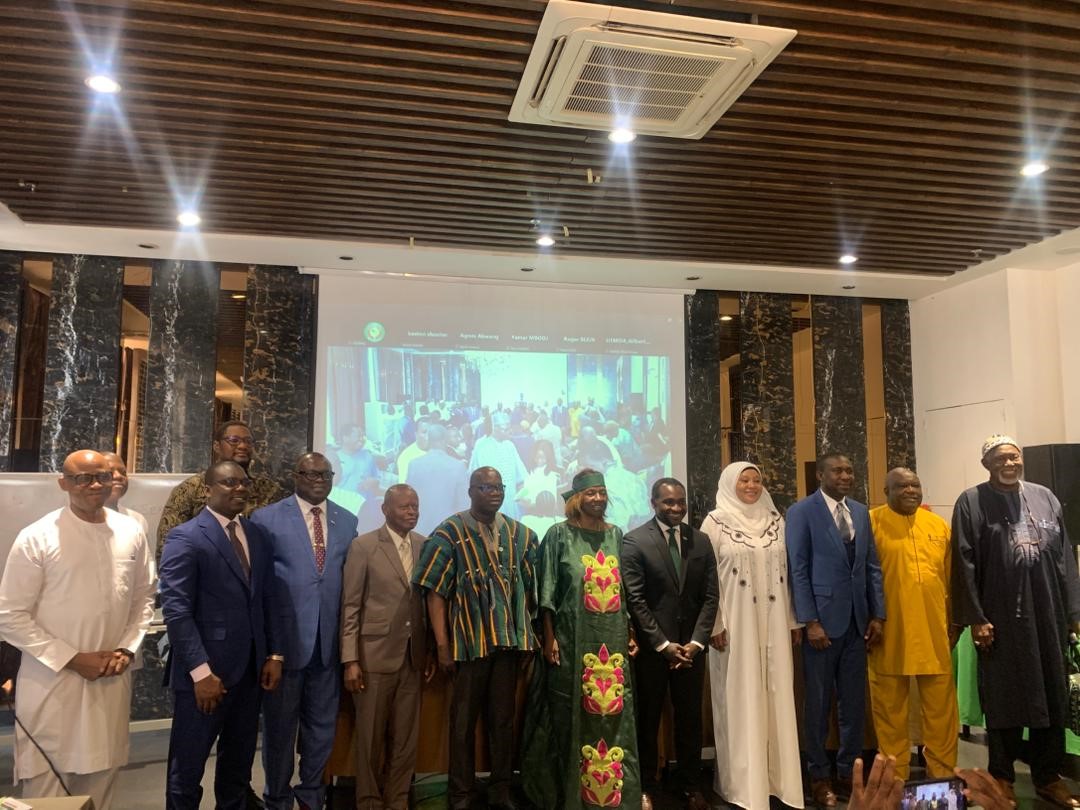
On Thursday, February 26, 2026, representatives from across ECOWAS member states gathered at the Atlantic Lumley Hotel in Sierra Leone to assess the state of regional agricultural investments and deliberate on the future direction of the new policy. This pivotal event underscores the importance of a coordinated, regional approach to agriculture, an essential driver for sustainable development and regional stability. The review of the policy comes at a crucial time when the region faces alarming levels of food insecurity, driven by structural challenges, climate change, and economic disparities.
Dr. Musa Henry Kpaka, Sierra Leone’s Minister of Agriculture, highlighted that “food security is a matter of national security,” emphasizing that regional cooperation is vital to breaking the cycle of dependency on food imports, which amounts to approximately $50 billion annually across Africa, with ECOWAS states alone spending nearly $10 billion.
The new regional policy aims to harmonize trade and agricultural policies, addressing barriers such as urban bias, infrastructure deficits, and policy fragmentation. Dr. Kpaka stressed that “we must put our farmers first—supporting them, making them prosperous so that food becomes cheaper and more accessible.” Strengthening agricultural productivity and competitiveness within the region is fundamental to achieving food sovereignty, reducing reliance on imports, and fostering economic resilience.
This aligns with SDG 2, which seeks to end hunger and promote sustainable agriculture. The policy envisions investments in climate-smart farming, infrastructure, research, and rural empowerment, creating an enabling environment where smallholder farmers can thrive and contribute significantly to regional food security.
Ambassador John Azuma, ECOWAS Resident Representative, reinforced the importance of regional solidarity, stating that “hosting this dialogue in Sierra Leone underscores ECOWAS’s commitment to unity and resilience.” He emphasized that building institutional credibility and strengthening regional cooperation are essential for transforming agricultural productivity and ensuring sustainable development.
Likewise, Dr. Kalilou Sylla, Commissioner for Economic Affairs and Agriculture, called for a unified approach supported by research, innovation, and incentivization. He advocates for establishing support systems that reward productivity and empower rural farmers—a strategic move to build sustainable, climate-resilient agricultural systems.
The review of the Single Regional Agricultural Policy is a cornerstone of ECOWAS’s broader development agenda, reflecting a commitment to sustainability, social inclusion, and climate resilience. It recognizes that agriculture is not only an economic activity but also a social and environmental one, demanding integrated solutions that address climate change, land degradation, and resource management. Implementing this policy effectively could position ECOWAS as a leader in sustainable regional development, ensuring that millions of farmers and vulnerable populations benefit from inclusive growth. It also offers an opportunity to harness regional trade, foster innovation, and build resilience against external shocks—creating a more secure and prosperous West Africa.
As ECOWAS commemorates its 50th anniversary, the focus on the new agricultural policy signifies a forward-looking vision, transforming past achievements into sustainable, impactful action. The region’s future hinges on strategic investments, regional cooperation, and a shared commitment to building resilient agricultural systems that serve both people and the planet.
The upcoming implementation of the Single Regional Agricultural Policy (2026-2035) promises to be a turning point. driving regional integration, advancing sustainable development, and ensuring that West Africa’s growth is inclusive, resilient, and environmentally sound. It is a bold step towards realizing the region’s full potential and fulfilling SDG 2, ensuring no one is left behind in the pursuit of food security and sustainable prosperity.

