


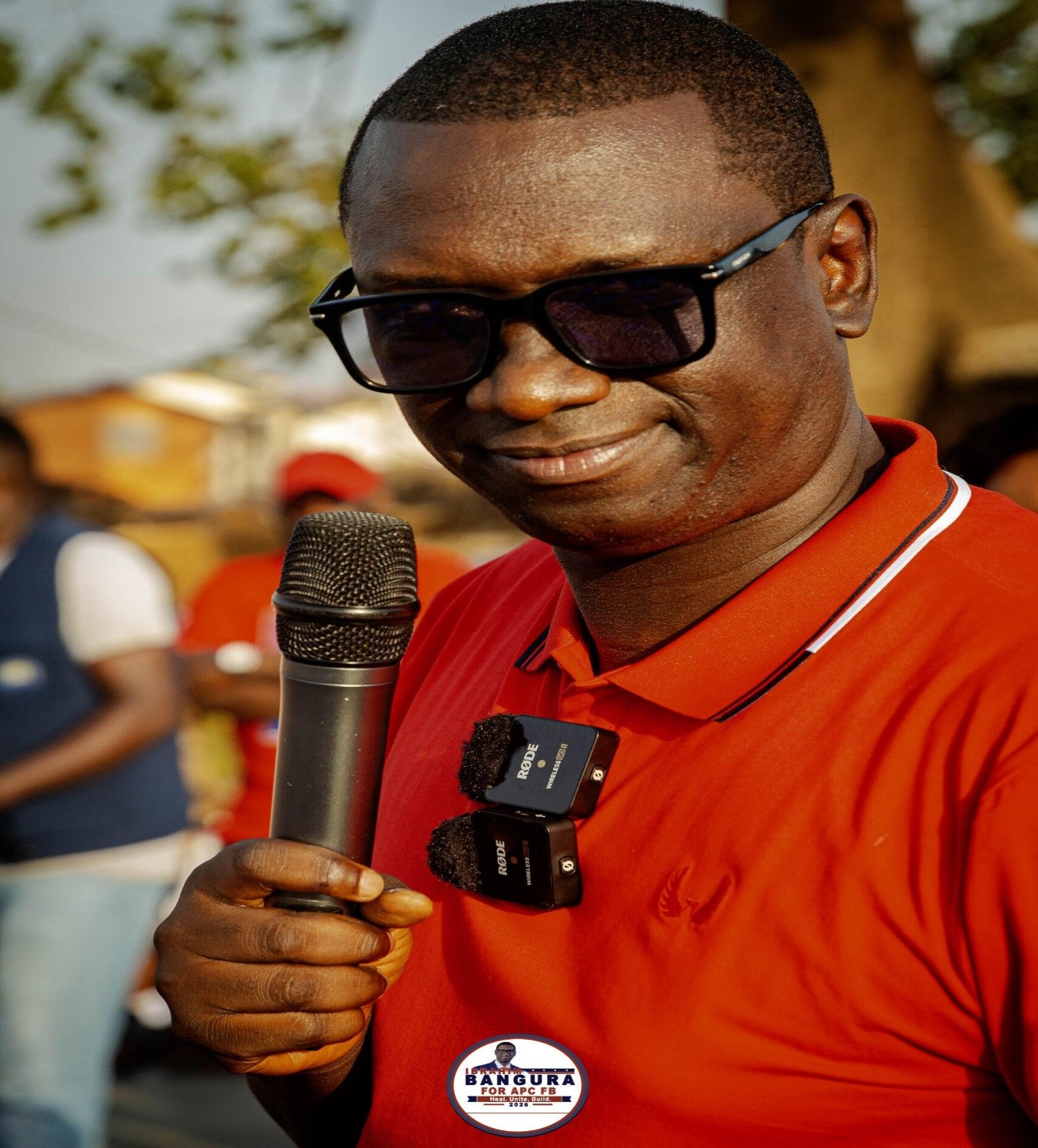
COMMENTARY | By Marcus Bangura | C4D Media
In this commentary, I examine the Independence Day address delivered by Dr Ibrahim Bangura on Sierra Leone 65th Independence Anniversary. Beyond ceremony, the speech redefines independence as an unfinished project, urging both citizens and leaders to confront the demands of nation-building. It critically explores themes of unity, reform, and renewal, assessing the address as both a political statement and a civic call to action in Sierra Leone.
Dr Ibrahim Bangura’s Independence Message
Today, we celebrate our independence and reflect on what it means for us, here and now, as one people with a shared destiny. On April 27, 1961, our nation stepped forward into self-governance. That moment was not given lightly; it was earned through courage, sacrifice, and an unshakable belief that a united people can shape their own future.
We honour those men and women whose vision carried us to that defining point in our history. Their dream was not simply freedom from colonial rule. It was the birth of a nation grounded in dignity, justice, and opportunity for all. Today, Sierra Leone stands as a living testament to that vision, diverse in culture, rich in heritage, and full of potential. From those whose roots run generations deep in our soil to those who have chosen this country as their home, this nation belongs to all who are committed to its future.
But as we celebrate, we must also ask ourselves: what does independence mean today?
Political independence was achieved in 1961, yet true independence, economic strength, social justice, inclusive governance, and shared prosperity, is still a journey we are shaping together. We are a nation blessed with resources, yet, too many still struggles. We are a nation filled with vibrant youth potential, yet too many feel unheard. We are a nation of immense promise, yet we continue to face challenges of trust and unity.
These realities do not weaken us; they call us to action.
The future of Sierra Leone must not be written by a few, but by all of us. Independence must move beyond symbolism into substance. It must mean that every child, regardless of his or her background, should have access to opportunity. It must mean that every young person can dream, and be supported in achieving those dreams. It must mean leadership that listens, includes, and serves with integrity.
To the young people of Sierra Leone: your voice matters. Your ideas, your courage, and your innovation are the foundation of our next chapter. To those who have chosen Sierra Leone as home: your contributions strengthen our nation, you are part of our shared story.
To our leaders and institutions, the future demands trust. Transparency, accountability, and service must guide every decision. And to every Sierra Leonean at home and abroad, the vision we seek will not happen by chance, it will be built deliberately, collectively, and consistently.
My fellow citizens, the path ahead requires honesty. We are a nation that has faced challenges. We are a nation that has known division. But we are also a nation with the strength to rise, to heal, and to move forward together. First, we must heal, rebuild trust and create space for every voice. Then we must unite, not by erasing our differences, but by aligning our shared purpose. And only then can we truly build a nation that reflects the promise of its independence: confident, inclusive, and strong.
This is our moment. This is our responsibility. The future is not waiting, it is calling. Let us answer it together. Happy Independence Day!
THE COMMENTARY/C4D MEDIA
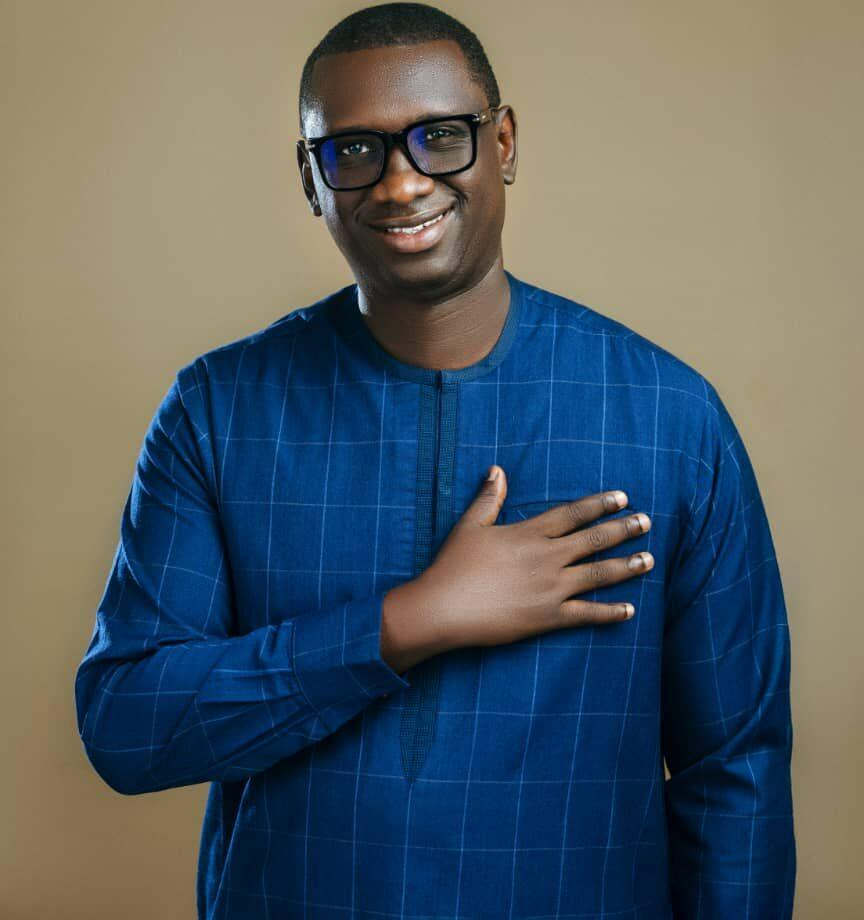
At sixty-five, Sierra Leone stands not at a destination but at a defining moment, balancing between the pride of its past and the weight and responsibility of its history, even as it confronts the pressing demands of its future. As the nation reflects on independence, the real question is no longer what has been achieved, but what remains unfinished.
At his Independence message to Sierra Leoneans, Dr Ibrahim Bangura does more than commemorate a historic milestone; it reframes independence as an unfinished journey, one that demands deliberate, collective, and sustained national effort. In doing so, the speech shifts the narrative from passive celebration to active responsibility.
What emerges most clearly is a deliberate departure from ceremonial nationalism toward what may be described as functional independence. The insistence that independence must move “beyond symbolism into substance” is not rhetorical flourish, it is a profound critique of a familiar post-colonial paradox: political sovereignty without corresponding socio-economic transformation. Across Africa, the flag was raised decades ago, yet the full dividends of independence remain uneven. Sierra Leone is no exception.
The strength of the message lies in its careful balance between honesty and hope. It acknowledges difficult realities, persistent inequality, limited opportunity, and fragile trust, without descending into despair. As the proverb reminds us, “However long the night, the dawn will break.” This balance is not accidental; it is essential. A nation that refuses to confront its truth cannot progress, but one that loses faith in its future cannot endure.
At the core of the message is a structured framework for renewal: heal, unite, build. This sequence is both simple and strategic. It recognises that development cannot take root in a fractured society. Trust, once broken, must be restored before unity can be meaningful, and unity must precede any sustainable effort to build. As another African proverb teaches, “When there is no enemy within, the enemies outside cannot hurt you.” In this formulation, national cohesion becomes not a luxury, but a prerequisite for progress.
Equally compelling is the speech’s inclusive vision of nationhood. By acknowledging both those “whose roots run generations deep” and those who have chosen Sierra Leone as home, it expands the meaning of belonging beyond ancestry to contribution and commitment. This is a subtle but significant shift toward civic nationalism, one that reflects the realities of a diverse and evolving society.
The emphasis on youth empowerment is particularly strategic. In a country where the majority of the population is young, the assertion that “your voice matters” is more than symbolic, it is transformative. It repositions young people not as passive beneficiaries of future leadership, but as active participants in present governance and development. This recognition aligns with the broader understanding that innovation, energy, and reform will largely come from this demographic.
Closely linked to this is the call for leadership grounded in transparency, accountability, and service. Rather than adopting a confrontational tone, the message advocates reform within existing structures, thereby maintaining institutional respect while encouraging improvement. This approach enhances its unifying appeal and avoids the polarisation that often characterises political discourse.
Another notable strength is the rejection of false unity. The message makes clear that unity must not come from erasing differences, but from aligning shared purpose. This is a mature articulation of nationhood, one that embraces diversity as strength while fostering cohesion. In a country where identity has often intersected with politics, such clarity is both necessary and timely.
The speech also introduces an important discipline into national thinking: that progress must be deliberate, collective, and consistent. This rejects the illusion of accidental development and instead calls for intentional, coordinated effort. As the proverb reminds us, “A single bracelet does not jingle.” Nation-building is inherently collaborative.
Perhaps the most profound contribution of the message lies in its redefinition of responsibility. Independence is no longer framed as the achievement of a past generation, but as a living project requiring continuous participation. This reframing is critical. It reminds citizens that governance is not the exclusive domain of leaders, but a shared obligation.
In merging reflection with realism and aspiration with accountability, the message captures the true condition of Sierra Leone at 65: a nation fully aware of its challenges, yet confident in its capacity to overcome them. As another proverb wisely states, “A river is filled drop by drop.” The future envisioned will not emerge overnight, but through sustained commitment and collective effort.
Ultimately, the message does not offer easy answers, and perhaps that is its greatest strength. Instead, it invites a deeper national conversation about what independence should mean in the present moment. It challenges citizens to move beyond symbolism, to engage with substance, and to see themselves as active contributors to the nation’s destiny.
Sierra Leone’s story is not yet finished. It is still being written, line by line, effort by effort, citizen by citizen. Independence, therefore, is not a date in history, but a continuous process of becoming. And that process, as this message rightly reminds us, belongs to all of us.
C4D Media — Using Voice and Writing to Demand Accountability!!


Приемка квартиры с отделкой — важный этап, который стоит выполнить приемка квартиры в новостройке с предчистовой отделкой.
Приемка квартиры с отделкой — важный этап в процессе новостройки .
Важно внимательно осмотреть каждую комнату, чтобы убедиться в соответствии работ заявленным стандартам.
Обязательно следует проверить качество облицовки стен и потолков, наличие всех необходимый элементов отделки .
Необходимо удостовериться в исправности сантехники, электромонтажных систем и систем отопления.
Нужно убедиться в наличии всех запланированных элементов, согласованных в проекте .
Если выявляются дефекты, необходимо сразу оформить соответствующие замечания в акте приемки .
Перед завершением проверки важно просмотреть все бумаги и договорные обязательства.
Правильная приемка — залог долговечной и безпроблемной эксплуатации квартиры.
You’re absolutely right. Impressive !!
Воронеж, всем привет Отец не выходит из штопора Соседи стучат в стену В больницу тащить страшно Короче, врачи приехали и поставили систему — вывод из запоя цены доступные Сняли ломку и стабилизировали состояние В общем, вся инфа по ссылке — помощь при запое на дому https://lechenie-7so.vyvod-iz-zapoya-na-domu-voronezh-lnm.ru Вывод из запоя на дому — это реальный выход Перешлите тем кто в такой же ситуации
Врач учитывает симптомы, риски, анамнез и семейную ситуацию, чтобы предложить подходящую программу.
Получить дополнительные сведения – вывод из запоя в стационаре клиника
Люди помогите советом Ситуация критическая Родственники не знают что делать Таблетки не помогают Короче, только это реально спасло — вывод из запоя цена адекватная Сняли ломку и стабилизировали состояние В общем, не потеряйте контакты — помощь при запое на дому https://lechenie.vyvod-iz-zapoya-na-domu-voronezh-bvc.ru Не ждите пока станет хуже Перешлите тем кто в такой же ситуации