


By Kenie Nikawa
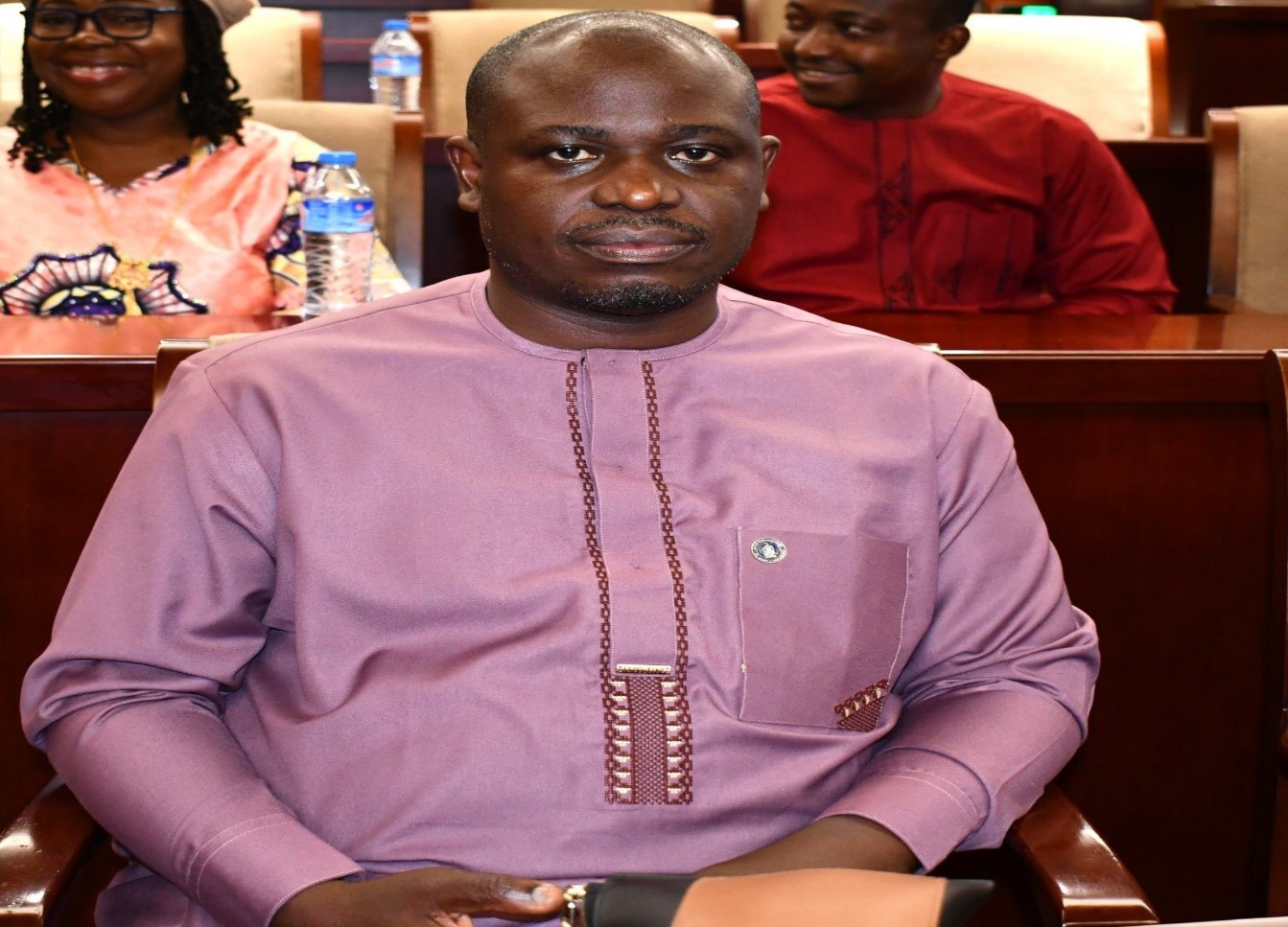
The Minority Leader of Parliament, Abdul Kargbo, has told the ECOWAS Parliament that there is a “deterioration in democracy” in Sierra Leone, urging the regional bloc to dispatch a fact-finding mission to assess the implementation of the Agreement for National Unity and its ensuing Tripartite Agreement.
Addressing lawmakers at the regional parliament, Hon. Kargbo expressed concern over what he described as growing democratic backsliding in the country following the disputed June 2023 elections. He called on the Economic Community of West African States (ECOWAS) to play a more proactive oversight role in ensuring that political agreements reached to stabilize the nation are fully and faithfully implemented.
According to the Minority Leader, while the Agreement for National Unity was intended to ease post-election tensions and restore public confidence in governance, there are concerns about the pace and scope of its execution. He specifically referenced the Tripartite Committee mechanism, established to review electoral processes and recommend reforms as a critical confidence-building measure that must not be reduced to a symbolic exercise.
“The credibility of our democratic institutions depends not only on constitutional provisions but on the sincerity with which political actors implement negotiated settlements,” Hon. Kargbo reportedly told the regional body. He emphasized that ECOWAS, as a guarantor of democratic norms in West Africa, has both a moral and institutional obligation to ensure compliance with agreements brokered under its watch.
The call for a fact-finding mission signals the opposition’s continued dissatisfaction with post-election political arrangements. The 2023 elections, which returned President Julius Maada Bio and the ruling Sierra Leone People’s Party (SLPP) to power, were followed by disputes from the main opposition All People’s Congress (APC), which questioned the transparency and credibility of the results.
The subsequent Agreement for National Unity, facilitated with the involvement of international partners including ECOWAS, sought to de-escalate tensions, reintegrate opposition participation in governance processes, and establish a Tripartite Committee comprising representatives from government, opposition, and development partners to examine electoral reforms.
Hon. Kargbo’s remarks suggest that, from the opposition’s perspective, progress under the agreement has been insufficient or uneven.
By appealing directly to ECOWAS Parliament, he has effectively internationalized the debate, framing Sierra Leone’s internal political challenges as a matter of regional democratic concern.
Observers note that ECOWAS has historically intervened in member states where democratic governance has come under strain, ranging from mediation efforts to sanctions and, in extreme cases, peace enforcement.
However, Sierra Leone’s situation remains politically sensitive, as the country is not experiencing unconstitutional regime change but rather contestation over electoral credibility and institutional reforms.
Political analysts say a fact-finding mission—if approved—could help clarify the status of the Tripartite Committee’s work, assess compliance with the National Unity Agreement, and recommend further steps to strengthen trust between the ruling party and the opposition.
Government officials have yet to issue a formal response to Hon. Kargbo’s statement before the regional parliament. However, previous official positions have maintained that the government remains committed to constitutionalism, electoral reform, and national cohesion.
As Sierra Leone navigates a delicate post-election environment, the coming weeks may determine whether ECOWAS responds to the Minority Leader’s appeal. What is clear is that the discourse around democratic governance in the country continues to command both domestic and regional attention

