


By Kenie Nikawa
The Parliamentary Spokesperson of the opposition All People’s Congress (APC), Hon. Dr. Unpha Sorie G. Koroma, has described the Government’s appointment of the Chief Electoral Commissioner amid ongoing electoral reforms as a breach of public trust.
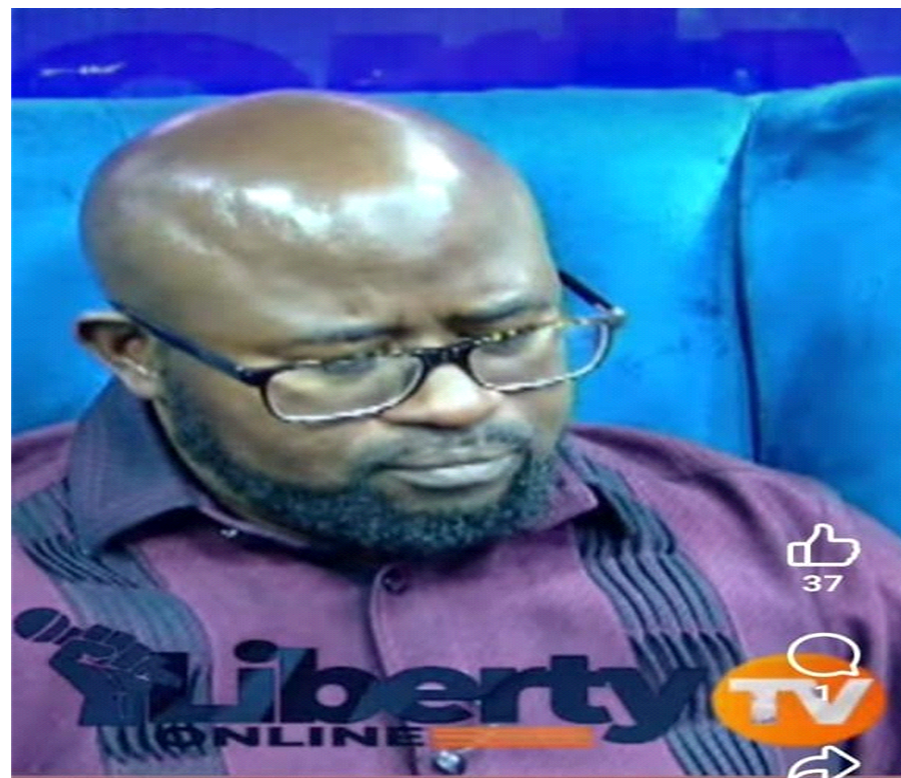
Hon. Koroma, who serves in Sierra Leone’s Sixth Parliament, made the remarks on Tuesday, 24th February 2026, during a radio talk show aired on Liberty TV Online. Speaking to listeners across the country, the opposition lawmaker questioned the timing, transparency, and broader implications of the appointment process.
According to Dr. Koroma, the credibility of any electoral management body rests heavily on public confidence, particularly in a democracy still navigating institutional reforms. He argued that making such a significant appointment while electoral reform discussions are ongoing risks undermining trust in the system.
“This is not just about one individual. It is about the integrity of the process and the confidence of the people in our democratic institutions,” he stated during the broadcast.
The APC spokesperson maintained that the Government should have exercised greater restraint and broader consultation before proceeding with the appointment. He suggested that, in the spirit of national cohesion and democratic consolidation, key stakeholders, including opposition parties, civil society organizations, and other interest groups ought to have been fully engaged.
Hon. Koroma emphasized that electoral reforms are intended to strengthen transparency, accountability, and independence within the electoral system. He contended that appointing a Chief Electoral Commissioner during such a sensitive period could be interpreted as prejudging or pre-empting the outcome of ongoing reform discussions.
The lawmaker further warned that public perception plays a crucial role in electoral governance. In his view, even if the appointment followed constitutional procedures, the optics surrounding it could generate suspicion and heighten political tensions.
“Our democracy thrives on trust,” he noted. “When that trust is shaken, even lawful actions can be viewed through a lens of doubt.”
While Dr. Koroma did not dispute the President’s constitutional authority to appoint a Chief Electoral Commissioner, he questioned whether the decision reflected the broader national interest at this critical juncture. He reiterated the APC’s position that reforms should be comprehensive and inclusive before major institutional decisions are finalized.
Observers say the debate over electoral reforms and key appointments is likely to intensify as the country prepares for future electoral cycles. The Chief Electoral Commissioner plays a pivotal role in overseeing elections, managing voter registration processes, and ensuring that results reflect the will of the people.
In response to the opposition’s concerns, the Deputy Leader of Government Business in the Sixth Parliament, Hon. Bashiru Silkie, who represents Bo District, defended the Government’s position and highlighted what he described as the ruling party’s commitment to inclusivity.
Hon. Silkie, a member of the ruling Sierra Leone People’s Party (SLPP), stated that the party has been magnanimous toward the opposition in the Sixth Parliament by proportionally allocating leadership positions to opposition Members of Parliament, including committee chairmanships.
He used the opportunity to clarify issues surrounding the National Unity Agreement and the Tripartite Committee recommendations, noting that they do not constitute law.
According to him, these agreements and recommendations have not been enacted into legislation nor formally presented before Parliament as binding legal instruments.
Hon. Silkie explained that the National Unity Agreement is a memorandum signed between the Executive branch of Government and the All People’s Congress (APC), and therefore does not automatically carry the force of law unless translated into statutory provisions through the legislative process.
“As lawmakers, we deal with laws that are properly brought before the House,” he emphasized, adding that any reforms or agreements must follow due parliamentary procedures to become legally binding.
Political analysts suggest that the exchange between the opposition and the Government underscores the ongoing tension surrounding electoral governance and reform implementation in Sierra Leone. While the opposition continues to raise concerns about public trust and transparency, the ruling party maintains that its actions remain within the bounds of constitutional authority and parliamentary practice.
As discussions continue, the issue of public confidence in electoral institutions remains central to national discourse. Both sides appear firm in their positions, reflecting the broader debate over how best to strengthen democratic processes while maintaining political stability.

