


By Sulaiman Karim Sesay
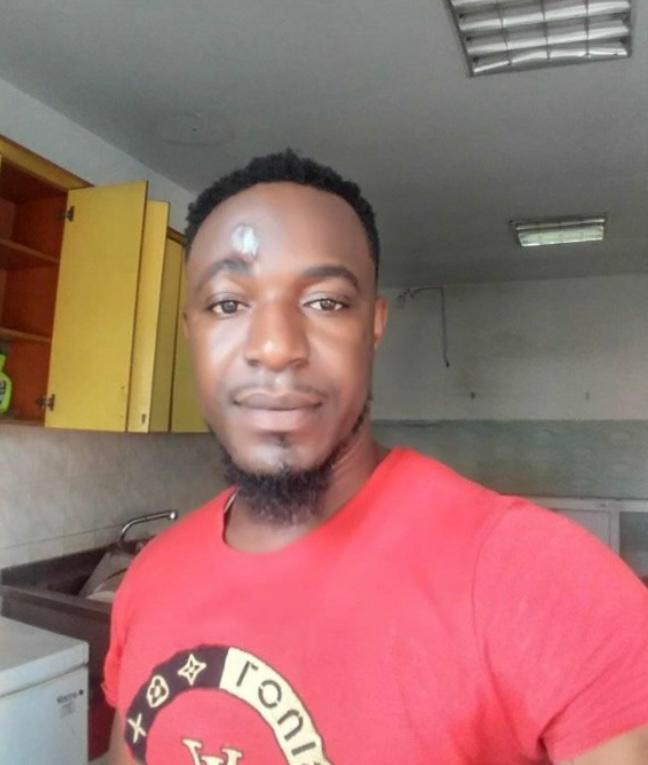
Amid Sierra Leone’s escalating economic crisis and enduring grief over past tragedies, Kellie Tamba Marrah’s story has become a stark symbol of a nation grappling with systemic failures.
His current status as a wanted man for suspected involvement in the August 10 riot in Freetown underscores not only individual despair but also the deep-rooted structural issues that continue to plague the country.
Officially declared a wanted person by the Sierra Leone Police, Marrah faces accusations of participating in the violent protests that erupted in the capital, Freetown, resulting in the deaths of six police officers and thirty-one civilians. However, sources close to the investigation suggest a more nuanced reality—one rooted in personal loss, frustration, and a profound sense of abandonment.
Marrah’s participation in the protests is driven less by a desire for violence and more by a desperate demand for justice. He is a victim of Sierra Leone’s ongoing failure to provide adequate support and opportunities for its youth and vulnerable communities, particularly in the aftermath of the devastating mudslide that claimed over 1,000 lives, including Marrah’s family.
That disaster, which struck densely populated hillside communities in Freetown, laid bare the government’s neglect of marginalised populations. Despite widespread suffering, affected individuals like Marrah received minimal aid, fueling feelings of abandonment, anger, and frustration that have now erupted into unrest.
The broader context reveals a government unable—or unwilling—to create sustainable economic opportunities for its young population. Unemployment rates remain alarmingly high, with youth unemployment exceeding 50%. This failure directly contravenes SDG 8: Decent Work and Economic Growth, which aims to promote inclusive and sustainable economic growth, full and productive employment, and decent work for all. Sierra Leone’s persistent neglect of this goal has left many young people, like Marrah, with limited prospects, making them vulnerable to frustration and radicalisation.
The protests, initially sparked by economic hardships—particularly inflation soaring above 30 per cent—and the lack of basic services, quickly devolved into chaos. Citizens, overwhelmed by the rising cost of living and a sense that their grievances are ignored, took to the streets. Clashes between police and protesters turned violent, resulting in casualties on both sides.
In response, authorities issued an arrest warrant for Marrah and several others, alleging their involvement in acts of violence and vandalism. While police link him to the chaos, specific evidence remains undisclosed, and many community voices argue that his actions stem from legitimate grievances rather than mere criminal intent.
The government has condemned the unrest, framing it as an act of destabilisation allegedly orchestrated by opposition elements. Yet, human rights advocates and community leaders emphasise the need for a more nuanced understanding. They highlight that the unrest is fueled by systemic failures—poverty, lack of employment, and the government’s inadequate response to disasters like the mudslide—that have left many Sierra Leoneans feeling betrayed.
Marrah remains at large, with police urging the public’s assistance, warning that harbouring or aiding him could result in legal consequences. Meanwhile, investigations continue, with authorities asserting that efforts are underway to address the root causes of unrest. For many Sierra Leoneans, this crisis underscores the urgent necessity for comprehensive social and economic reforms. While the government vows to tackle these issues, the scars of past tragedies and ongoing neglect continue to weigh heavily on the national psyche. Marrah’s story exemplifies the dangerous consequences of neglecting SDG 8: Decent Work and Economic Growth—a failure to provide meaningful employment opportunities and sustainable livelihoods for youth.
Until Sierra Leone confronts these systemic issues, unrest and frustration among its young population are likely to persist. As the nation navigates this turbulent chapter, Kellie Tamba Marrah’s plight highlights the critical need for genuine investment in youth, infrastructure, and social support systems—fundamental steps toward building a more just and resilient Sierra Leone.

