


By Musa Paul Feika
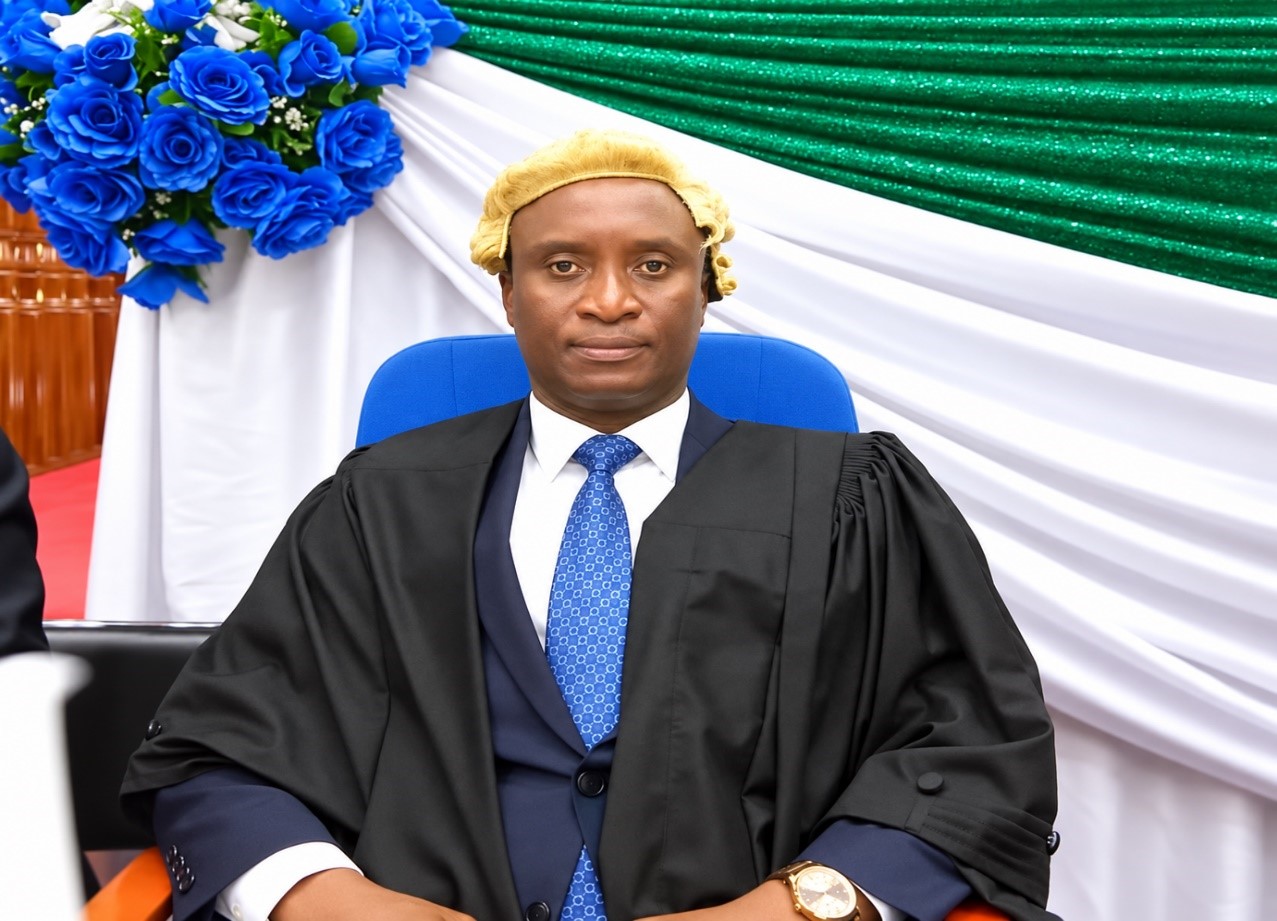
FREETOWN, SIERRA LEONE — Since taking over the administration of Sierra Leone’s Parliament on 18 August 2025, Clerk of Parliament Mr Karmoh K. Conteh has attracted praise from Members of Parliament for what they describe as visible improvements in the administration, facilities and general environment of the House.
Appointed by President Dr Julius Maada Bio with immediate effect, Mr Conteh succeeded former Clerk of Parliament Hon. Paran Tarawallie. Since assuming office, he has focused attention on several aspects of parliamentary administration, including the maintenance of facilities, the working environment and efforts to improve the overall appearance of the parliamentary complex.
According to Members of Parliament from both the ruling Sierra Leone People’s Party (SLPP) and the opposition All People’s Congress (APC) who spoke to this medium, some of the changes have been particularly noticeable in areas that directly affect the daily experience of parliamentarians, staff and visitors.
Improving Basic Facilities
One of the issues highlighted by the MPs is the availability of water within the parliamentary facilities. According to those interviewed, there were occasions in the past when some restrooms within the parliamentary complex reportedly went for days without adequate water, a situation they considered inappropriate for an institution of national importance.
The MPs said greater attention has been given to the availability of water since Mr Conteh assumed office, with the situation reportedly improving. They described the development as a practical administrative improvement because access to basic facilities directly affects the working environment of Members of Parliament, parliamentary staff and visitors.
While such improvements may appear routine, the MPs argued that they form part of the essential administrative responsibilities required to keep Parliament functioning effectively and provide an appropriate environment for the country’s legislative work.
Taking Parliament Beyond Freetown
Another initiative highlighted by the MPs was the proposal to hold this year’s opening of the Fourth Session of Parliament outside Freetown.
According to the parliamentarians, the proposal was intended to take parliamentary activities closer to citizens in the regions and provide people outside the capital with an opportunity to witness and better understand the work of Parliament.
Although the proposal did not materialise because of time constraints, the MPs said discussions and planning are continuing, with the possibility of a future State Opening or other parliamentary activity being held in one of the regions.
For the MPs who spoke to this medium, taking parliamentary activities beyond Freetown could help strengthen public engagement with the legislature and provide citizens outside the capital with greater exposure to parliamentary proceedings.
Such an initiative, if eventually implemented, could also contribute to broader civic education by giving citizens a closer understanding of Parliament’s constitutional responsibilities and its role in national governance.
A Changing Face of Parliament
The physical appearance of the parliamentary complex has also attracted attention.
MPs from both the SLPP and APC described the recent State Opening as one of the more visibly improved occasions in terms of decoration and beautification of the parliamentary premises. They pointed to improvements around the compound, particularly the main entrance leading to the House, where flowers and other landscaping and beautification efforts have reportedly changed the appearance of the area.
Some MPs said the improved environment was noticeable to visitors attending the State Opening, with people taking photographs around the premises.
For the parliamentarians, the appearance of the country’s legislative institution goes beyond aesthetics. They believe the physical environment of Parliament contributes to how the institution presents itself to citizens, visiting dignitaries and international guests.
Cross-Party Recognition
One of the notable aspects of the feedback from MPs is that the positive observations came from members of both the governing SLPP and opposition APC.
Parliament is, by its nature, a politically diverse institution where disagreements between the governing party and opposition are part of democratic debate. However, the MPs interviewed said administrative improvements could be recognised independently of political affiliation.
Their comments suggest that the administration of Parliament provides an area where institutional responsibilities can transcend the political divisions that characterise legislative debate.
For the MPs, effective parliamentary administration involves not only major institutional reforms but also attention to everyday issues that affect the ability of Members, staff and visitors to work and interact within the parliamentary environment.
A Hands-On Administrative Approach
The MPs interviewed also described Mr Conteh’s approach as more hands-on, pointing to what they see as increased attention to practical administrative matters.
They said the improvements reported during his first year demonstrate the importance of paying attention to both the major responsibilities of Parliament and the smaller operational issues that can influence the effectiveness of the institution.
From basic facilities to the appearance of the parliamentary compound and the exploration of ways to take parliamentary activities closer to citizens, the changes highlighted by the MPs reflect a focus on the day-to-day administration of the House.
What Comes Next?
As Mr Conteh enters the next phase of his tenure, expectations are likely to remain high. The improvements identified by MPs will need to be maintained, while proposed initiatives such as taking parliamentary activities to the regions could require further planning and institutional support.
The broader question is whether the administrative changes reported during his first year can develop into sustained improvements in parliamentary efficiency, public accessibility and institutional service delivery.
For Parliament, effective administration is an important foundation for the legislature’s wider constitutional responsibilities. A well-maintained working environment, efficient administrative systems and stronger engagement with citizens can complement the work of Members of Parliament and contribute to a more accessible institution.
A Quiet Transformation?
Mr Conteh’s first year has, according to the MPs interviewed, been characterised less by dramatic institutional announcements and more by attention to practical aspects of parliamentary administration.
The reported improvements in basic facilities, the beautification of the parliamentary environment and efforts to explore greater engagement with citizens outside Freetown have drawn attention across party lines.
Whether these developments amount to a broader transformation of Parliament’s administration will ultimately depend on their sustainability and on what further reforms emerge in the years ahead.
For now, however, the feedback from Members of Parliament suggests that the administration of the House is undergoing a period of visible change.
The transformation may be quiet, but inside Parliament, the changes are beginning to attract attention.

