


By: Musa Yayou
Sierra Leone must begin asking tougher questions about the country’s toll road agreement, including how much revenue has been generated, what remains to be realised and whether the project is delivering the benefits originally envisaged when the agreement was signed.
Economist and development expert Dr Victor Moinina has urged the Government to take a more critical approach to major development agreements and infrastructure projects, stressing that national development ideas must translate into tangible benefits for citizens.
Dr Moinina made the remarks during an interview on AYV while discussing Sierra Leone’s long-term economic and infrastructure development, including public-private partnerships, the toll road project, donor dependence and the proposed Lungi Bridge.
His comments also reflected themes from his lecture at the Institute of Public Administration and Management (IPAM), where he examined the need for Sierra Leone to move beyond development plans and ensure that major national ideas are transformed into practical and sustainable outcomes.
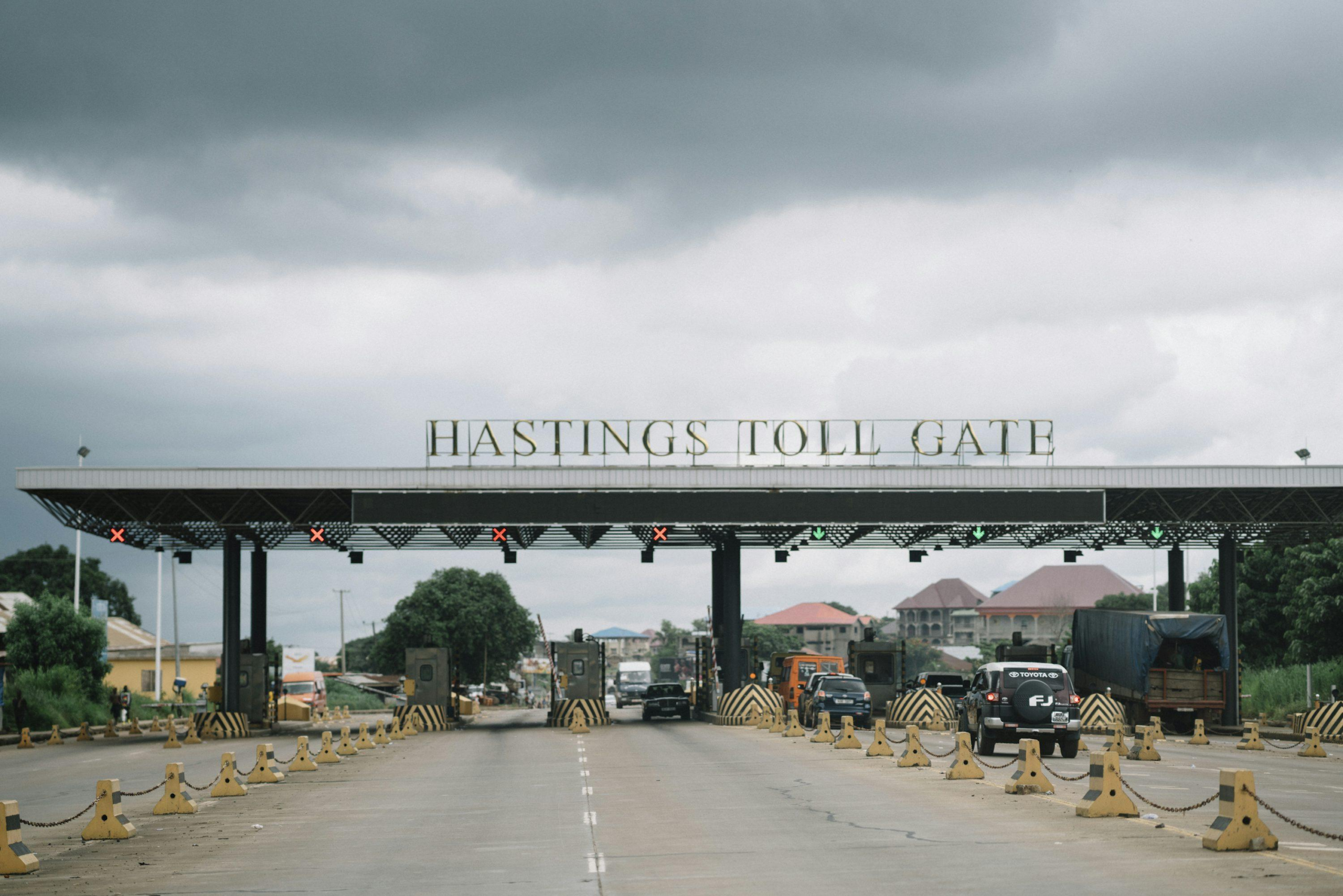
At the centre of his concerns is the toll road agreement and whether the country is getting sufficient value from the arrangement.
According to Dr Moinina, agreements entered into by the State must not simply be signed. They must be carefully examined to understand their long-term financial, economic and practical implications.
“The agreements that we sign sometimes, we don’t sign these agreements without reading the real effects of what it has,” he said.
Referring to a study by IJR, Dr Moinina noted that the toll road agreement was reportedly structured for 27 years, with about nine years already elapsed, leaving approximately 18 years remaining.
That, he suggested, raises a number of important questions.
How much revenue has the toll road generated so far? How much has the State received? What remains to be realised under the agreement? What obligations does the private operator have? And, most importantly, is Sierra Leone receiving the value that was originally envisaged when the agreement was signed?
These questions, he argued, deserve serious public scrutiny as the country continues to rely on public-private partnerships to finance major infrastructure.
Dr. Moinina also questioned whether the present condition of the toll road reflects the infrastructure standards that were initially promised.
He raised concerns about road safety, lighting and security, particularly for motorists travelling at night.
“That road should have lights. That road should be well secure,” he said.
He specifically referred to areas around Masiaka, questioning whether adequate lighting exists along the road and whether motorists are sufficiently protected when travelling at night.
The concerns therefore go beyond the amount of money collected at the toll booths. They also raise questions about the quality of infrastructure being maintained, the level of public safety and whether contractual obligations are being adequately monitored.
For Dr. Moinina, the toll road represents a broader lesson for Sierra Leone: development agreements must be evaluated not only by what they promise on paper, but by what they actually deliver to the population.
“The ideas are there. How do you explore that some of these ideas do not just remain ideas but become a reality?” he asked.
He said Sierra Leone must increasingly explore investment models capable of mobilising private capital while protecting the public interest.
Dr. Moinina advocated greater use of foreign direct investment and partnership-based investment, arguing that investors could finance, construct and operate major projects in partnership with the State or local stakeholders.
Such arrangements, he said, could help the country mobilise resources for critical infrastructure without relying entirely on conventional donor assistance.
The proposed Lungi Bridge was cited as one potential example of an infrastructure project that could significantly transform economic activity.
According to Dr. Moinina, a permanent bridge connection could improve movement between Lungi and Freetown, facilitate trade and create new opportunities for businesses, traders and investors.
“There are people in Lungi that want to come to Freetown to do business,” he said, noting that uncertainty surrounding ferry operations can discourage some people from travelling at certain times.
A permanent bridge, he argued, could therefore provide a more reliable connection and stimulate economic activity on both sides of the Sierra Leone River.
But as the country considers new infrastructure partnerships, the questions surrounding the existing toll road remain significant.
What was promised? What has been delivered? How much has the country earned? What has been spent? Who is responsible for monitoring the agreement? And are Sierra Leoneans getting value for money?
These are questions that require clear answers as the toll road agreement progresses through its remaining years.
For Dr Moinina, Sierra Leone’s development challenge is no longer simply about generating ambitious ideas or signing agreements. It is about ensuring that those agreements are properly scrutinised, transparently implemented and capable of producing measurable benefits for citizens.
The central question, therefore, remains: Will Sierra Leone continue to sign development agreements, or will it begin measuring whether those agreements are actually delivering the development promised?

